
World Gratitude Day – why saying thanks isn’t just polite, it’s essential
September 17, 2025
Gratitude isn’t just about good manners or polite words. It’s something real that can help us feel connected, make tough days easier, and improve our mental wellbeing. With World Gratitude Day coming up on 21st September, it’s a good moment to think about the little acts of kindness we give and receive every day. Often, it’s those small moments – the quick thank you, the nod of appreciation – that leave the biggest mark. At CatholicCare, we see this all the time. Whether it’s a parent quietly thanking a support worker, a young person noticing their own progress, or a teammate acknowledging someone else’s effort – these moments of gratitude help us all keep going. And it’s not about big gestures or grand celebrations. Often, the quiet, simple thank yous are the ones that count most.
Why gratitude helps mental health
There’s real science behind gratitude. Feeling and expressing thanks can improve mental health for both the person giving it and the one receiving it.
- When you thank someone, it can lift your mood, ease stress, and help you build emotional strength.
- When someone thanks you, it helps you feel seen and valued.
- When a whole community practices gratitude, it creates trust and reminds us none of us are alone.
How to bring gratitude into everyday life
You don’t need a special occasion or a big event to show gratitude. Often the most meaningful ways are simple, honest, and in-the-moment. Here are some ideas you might try, whether at work, home, or in your community:
- Say thank you to a client, neighbour, or someone who shared their story with you.
- Check in on someone who’s having a hard time and tell them you see how strong they’re being.
- Send a quick message or jot a note to someone who made your day easier or better.
- Share a genuine compliment, encouraging word, or a memory that shows you care.
- Show kids what gratitude looks like by practicing it yourself.
Gratitude isn’t just about others. It’s important to notice your own efforts too, especially if you’re supporting people or working through challenges. Giving yourself credit matters for your own mental health.
Try this – six questions to evoke gratitude
Some days gratitude doesn’t come easily, and that’s okay. You can gently bring it in by asking yourself questions like:
- What’s one good thing that happened today?
- What do I usually take for granted that I can be thankful for?
- Who in my life am I glad to have around?
- What’s the last book, show, or video I enjoyed and why?
- What am I looking forward to this week, month, or year?
- What’s the kindest thing someone has said or done recently?
Small habits help, too. Try making it a habit to share something you’re grateful for at the dinner table, or take time to write thank you notes (something that’s easy to forget these days).
Making gratitude a practice, not just a feeling
As 21 September approaches, consider this – gratitude isn’t just a feeling that comes and goes. It’s something you practice – through words, actions, and how you notice the people around you.
It opens the door to respect, understanding & real connection.
It’s not about perfection or big shows of thanks, but about showing up and appreciating each other in honest, meaningful ways.
Because in the end, gratitude helps us remember that none of us are alone, and that’s something worth holding onto.


More news stories like this one
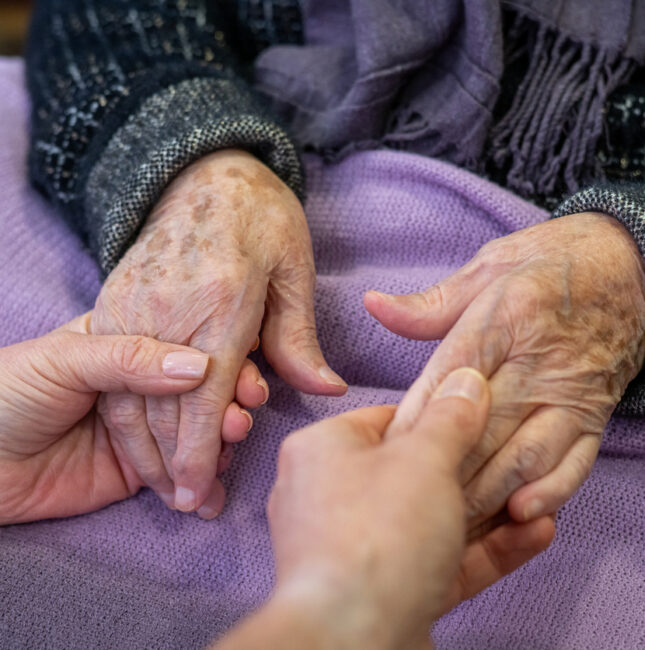
Introducing Crossroad Companions end of life service
When you receive a terminal diagnosis, life can suddenly feel uncertain and overwhelming. Questions arise, roles change, and you may find yourself moving from one medical team to the next. We're here to help.
Read More
World Day of Social Justice – injustice isn’t accidental
World Day of Social Justice isn’t about slogans or good intentions. It’s about facing an uncomfortable truth - the systems we live within do not work equally for everyone, and pretending otherwise costs people their dignity, safety and hope.
Read More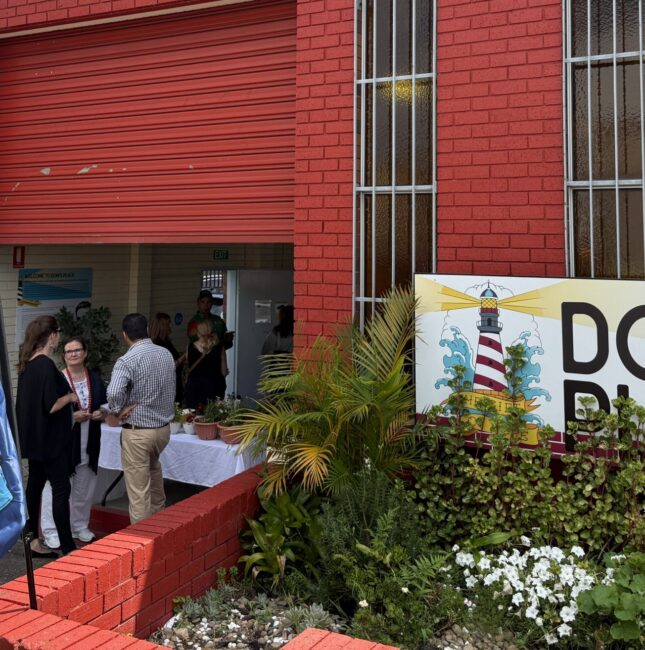
70 coffees for one great cause – Dom’s Place!
Eight Dom’s Place visitors recently completed barista training but the coffee cart isn’t just about serving coffee - it’s a practical way for them to develop pre-employment skills while contributing to the community.
Read More