

The benefits of dance and sports for people living with disability
April 15, 2020
Dance is a very therapeutic form of exercise, and sports are a great way to foster communication and teamwork. Both sports and dance are excellent for emotional, mental and physical health, especially for people living with intellectual disabilities. These activities are proven to positively affect wellbeing and mood.
There are several other benefits of partaking in sports and dance classes and these include:
Expressing emotion
In Australia, there are over half a million people with intellectual disabilities, and over 60% have difficulty communicating. Using dance as therapy gives people an outlet to express how they feel without having to verbalise it. Even people who have limited mobility can use dance and music to express how they’re feeling. You can dance to different genres or see if any particular one speaks to you more than others. Once you listen to it, you can ask your classmates how the song made them feel. Some may say happy, some sad and some energetic.
Encourages movement
With both dance and sports, movement is a must. Since people living with intellectual disabilities are more prone to obesity and being overweight, finding a fun way to get up and moving is one way to help. Different sports require different levels of movement, usually in short bursts. You can tailor the sports to suit your activity levels, and there are many to try! Dance also encourages movement and exercise. Dancing for just 30 minutes can burn between 90 and 260 calories and encourages movement in different muscle groups. It’s a great way for you to get inspired to get up, have fun and start moving.
Friendships
When someone is on a dance squad or a team for a sport, solid friendships form. Getting out and meeting new people can be challenging for anyone, let alone someone living with disability. Having a place where you can go and dance or play your favourite sport with people who experience the same challenges is beneficial. The friends you’ll make here can help encourage you to reach your fitness goals and cheer you on each week. It’s also an excellent confidence booster, and it makes it more fun to participate when it’s your group of friends playing with you.
Boosts community engagement
Did you know that people with intellectual disability are more likely to feel secluded from the local community as a whole? It can be lonely. Participating in weekly dance classes or a regular sport is a great way to meet people and feel involved in the local community. People will come out and cheer your team on or watch your dance performances, and you can interact with them.
Relieves stress
For someone living with intellectual disability, stress can be a daily part of life in varying severity. Physical activity can help relieve stress each time you engage in it. Just think, you get to hang out with friends and play a sport or dance in a way that you love. The more you get up and move, the lower the amount of the stress hormone cortisol is in your body. It gives you more energy, helps you sleep better and it can lower your blood pressure levels. All of this results in a happier and healthier life.
JOIN OUR NEW ONLINE PROGRAM
We have developed an exciting new program for young people with special needs.
In these troubling times, you can keep your young people safe and protected at home whilst still engaging in the community and learning real
skills … using the power of technology to connect! Jump online for an interactive two hour workshop with your friends every day of the week.
Our expert activity leader and positive psychology coach, Michelle Cuneo will work with you or your young person – keeping them happy
whilst engaging in leisure and learning – all on your home computer, tablet or smartphone! All classes are online and in real time.
- Socialise while practising self-isolation – meet up with friends, make new ones and chat together in a structured conversation that assists you to develop your communication skills
- Enjoy a truly interactive program – unlike pre-recorded programs, ours are taking place in real time. This means you can answer questions, ask questions, contribute to the conversation and receive valuable feedback from your host
- Learn new skills for life and work – use this time at home productively, improve your abilities and develop your personal strengths
- Maintain a healthy structure to your day and set up a routine that includes exercise, wellbeing topics and opportunities to grow – all from the comfort and safety of your home
- Be encouraged to maintain a healthy mindset during this challenging time with tips and tools from a positive psychology and wellbeing coach!


More news stories like this one
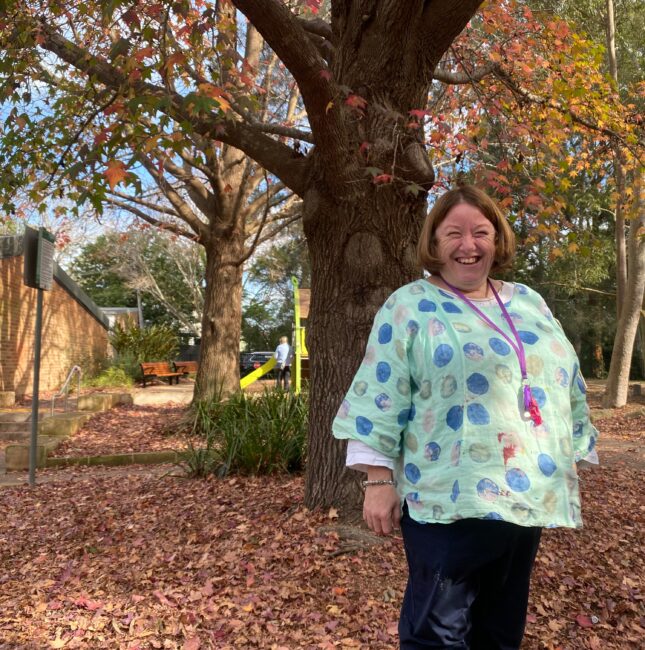
Paula’s story of determination, hope and community
After years of perseverance and teamwork, Paula is about to embark on an exciting new journey - moving into her own home!
Read More
Financial counselling supports guide Stefan through debt to stability
At 73, Stefan never imagined he’d find himself facing homelessness. Then came an injury, a divorce, an eviction notice, and a $40,000 debt and his life took a frightening turn.
Read More
Rachel finds her voice again
When Rachel first connected with CatholicCare’s clinical care services nine months ago, she was grappling with the profound effects of complex PTSD, stemming from traumatic experiences of sexual assault and domestic violence.
Read More