
Our creative arts program for seniors
January 21, 2020
Did you know 1 in 4 Australians report feeling lonely and isolated? This is alarming because loneliness can impact both mental and physical health. Social isolation is another problem, particularly among the elderly. Older adults may find it more challenging to get out and interact with other people. Helping reduce loneliness and social isolation among seniors in Australia is a special focus at CatholicCare.
Many seniors have a very small group of friends as they age, and this circle can get smaller and smaller as people pass away. This is the start of the isolation and loneliness, especially if there is no significant other or family nearby.
Social programs give seniors an opportunity to connect to people of a similar age and interact in a relaxed environment. Presenting someone with options and a reason to get out of the house and participate in an activity serves to enrich their minds and bodies.
Social groups also promote good emotional and mental health. Roughly 10% to 15% of the Australian population aged 65 and over report feeling depressed. Another 10% report having feelings of anxiety. Social programs give seniors something to focus their attention and energy on, and it helps them form connections that help stave off feelings of depression or anxiety.
Two-thirds of Australian adults are overweight or obese, and this extends to the senior population. Taking care of themselves physically is one of the things that can slip as people age. However, when they participate in social gatherings, they are often incentivised to be healthier!
Finally, joining a social group can help seniors live longer. They’ll have happier and more fulfilling lives than they’d have if they were alone. Another point is the connections they form at these groups. Seniors can find a whole new group of friends to catch up for a cuppa with and talk to.
Our Senior Arts Program
At CatholicCare, we understand how important it is for seniors to get out and have fun with people their own age. This is why we host a creative arts program on the second and fourth Friday of every month. Our Senior Arts Program can help beginners build new skills, or we can help more advanced seniors hone existing skills. The program is perfect for seniors in the early stages of dementia as well.
We use a mix of artistic and therapeutic talent with expert facilitators to create a warm, welcoming and social environment for seniors to connect. At the end of the year, we encourage our participants to show their artwork at our annual art exhibition.
Every class we run is small, warm, inviting and fun. Our staff like to encourage friendly interaction between participants, and we help boost both mood and self-confidence levels. Artists work at their own pace during the three-hour sessions, and since there’s no pressure, it’s a calm, relaxed atmosphere.
Are you interested in participating in our art program or learning more? Maybe you know someone who would benefit from taking part. Either way, we want to hear from you! You can get in touch with any questions you may have. We’re happy to help any way we can.


More news stories like this one
Paula’s story of determination, hope and community
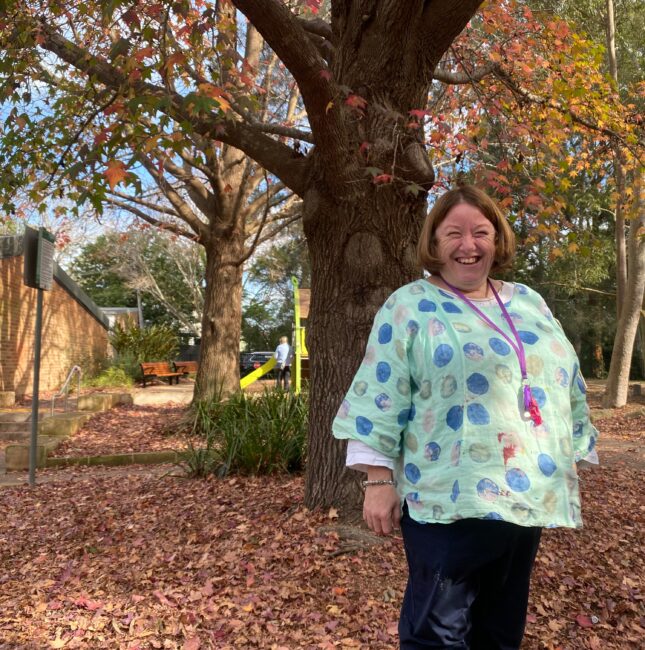
After nearly two years of perseverance and teamwork, Paula - a vibrant, bubbly and cherished participant in CatholicCare’s disability day programs - is about to embark on an exciting new journey - moving into her own home!
Read More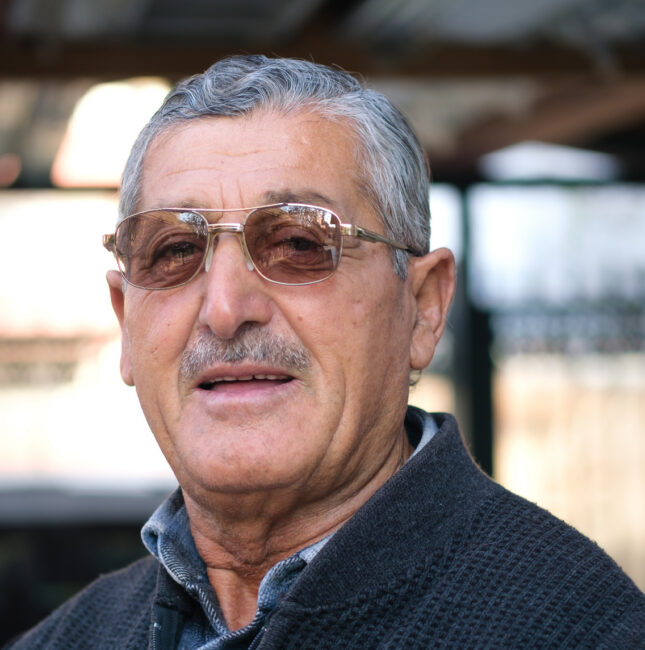
Financial counselling supports guide Stefan through debt to stability
At 73, Stefan never imagined he’d find himself alone, in debt and facing homelessness. As the owner of a small handyman business, Stefan was a well known figure in Sydney’s close-knit Croatian community - respected for his confidence, independence and generous spirit. Then came an ankle injury, a divorce, an eviction notice, and a looming $40,000 debt and Stefan’s life took a frightening turn.
Read More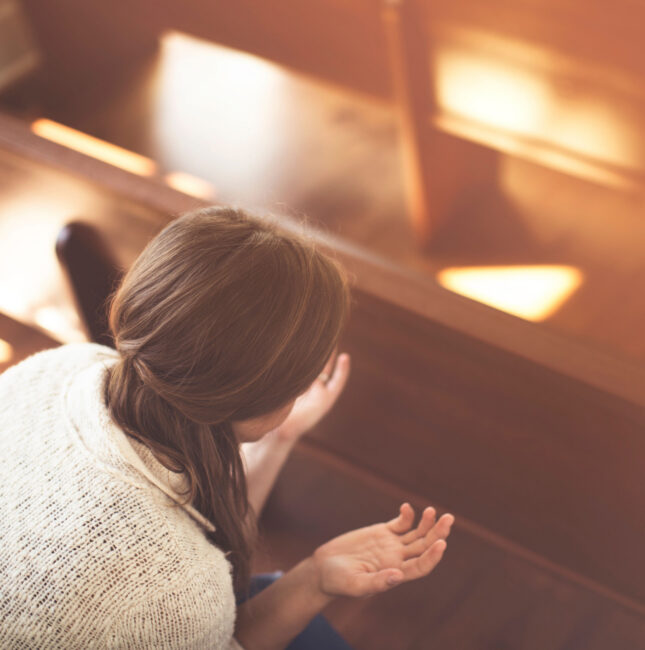
Rachel finds her voice again
When Rachel first connected with CatholicCare’s clinical care services nine months ago, she was grappling with the profound effects of complex PTSD, stemming from traumatic experiences of sexual assault and domestic violence.
Read More