

How MST-CAN helped a family heal
May 13, 2026
Sarah and Jason, along with their young children, were connected with CatholicCare’s Multisystemic Therapy for Child Abuse and Neglect (MST-CAN) program at a time of acute crisis. Through their engagement with the program, they began to take steps toward healing and stability.
Under the guidance of MST-CAN Therapist Silvia and with the support of Case Worker Holly, the couple embarked on a structured program aimed at addressing the underlying causes of their challenges. Through a combination of cognitive behavioural strategies, emotional regulation techniques, and positive parenting approaches, they learned to recognise and challenge destructive thought patterns, interrupt reactive responses before they escalated, and understand the connection between their emotions, thoughts and actions. Most importantly, the therapy helped them reconnect with their children in consistent, nurturing ways that prioritised trust and stability.
“Throughout their time with MST-CAN, Jason and Sarah consistently participated in scheduled sessions and remained committed to the process,” says Silvia. “From the outset, they acknowledged that aspects of their parenting and emotional regulation were impacting their family, and they expressed a clear desire to make meaningful changes – particularly in the area of positive discipline.”
The family was able to establish a routine with built in breaks from child rearing. Holly helped organise childcare for the younger children. Sarah and Jason learned to better communicate their needs, and a new granny flat meant the family had more space.
Sarah and Jason implemented various strategies to reinforce their learning. They placed worksheets around the home as visual reminders of the calming strategies and cognitive restructuring techniques they had learned. They also established morning and evening routines to support their children.
Over time, the family began to replace conflict with connection. They learned to pause, reflect, and most importantly, listen. As a result of their efforts, Sarah was able to return to the family home and feel safe and stable. There have been no recent reports of self-harm by their son, marking another significant milestone in the family’s progress.
“I really appreciated Silvia’s time, and her heart,” says Sarah. “She is so genuinely caring and calm, and a great example. She is a shining light, helping me to use words, and to talk differently. She is open minded, humble, caring and genuine. I cannot say enough good things. I also appreciate and want to thank Holly, my Case Worker, who has done so much and is really on top of things.”
Silvia commends Sarah and Jason for their communication style that has evolved to become calmer, more respectful and honest. “They have shown openness to learning and have integrated concepts of cognitive reconstruction, positive parenting and emotional regulation into daily life.”
Every May, thousands of people and hundreds of organisations come together for National Families Week, Australia’s annual celebration of families. The aim of Families Week is to celebrate the vital role families play in Australian society and reflect on their importance in teaching, supporting and nurturing children as they grow. The week coincides with the United Nations International Day of Families on 15 May – a day to mark the importance of families globally and promote awareness of issues relating to families. Families Week is a time to celebrate with your family, connect with your extended family and friends, and share in the enjoyment of family activities within the wider community.


More news stories like this one

Empowering childcare educators to address domestic violence
Earlier this year, CatholicCare’s primary prevention team collaborated with council run childcare centres across the Central Coast to help combat domestic and family violence.
Read More
John’s journey from blame to accountability
When John first stepped into our Back on Track Men’s Behaviour Change Program, he didn’t come willingly and was a long way from accepting the impact of his violent behaviour.
Read More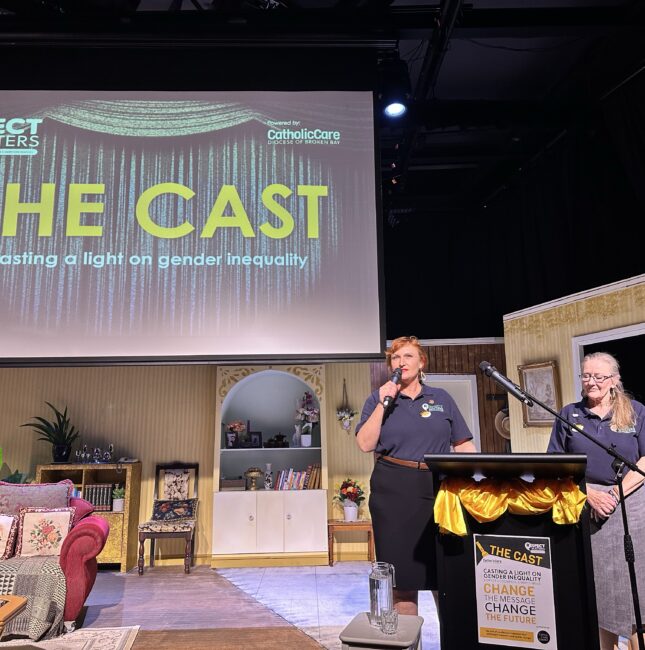
Casting a light on the drivers of domestic and family abuse
Boys don't cry. Toughen up. Be a man. CatholicCare's Respect Matters team knows there is a direct line between casual phrases like these and the domestic violence upending families across our community.
Read More