Dementia Awareness Month – your brain matters
September 10, 2025
Have you ever walked into a room and forgotten why you were there? Or struggled to find the right word in a conversation? For most of us, these are harmless lapses. But for nearly 500,000 Australians living with dementia, memory loss is much more than a moment – it’s a daily challenge that changes lives. This September, during Dementia Awareness Month, CatholicCare is shining a light on the facts, the hope, and the action we can all take to protect our brain health. Dementia doesn’t just affect individuals – it impacts families, friendships, and communities. But there’s good news: up to 50% of risk factors are preventable, and it’s never too early – or too late – to start.
What is dementia?
Dementia is a progressive condition that affects memory, thinking, language, and the ability to perform everyday tasks. It’s not a normal part of ageing, though age is the biggest risk factor. The four most common types include:
- Alzheimer’s Disease – the most common, caused by plaque build-up in the brain
- Vascular Dementia – linked to reduced blood flow
- Lewy Body Disease – involves abnormal proteins in the brain
- Frontotemporal Dementia – often affects personality and judgement.
Common warning signs
If you notice these signs in yourself or someone close to you, don’t ignore them. Early support can make a big difference.
- Struggling with everyday tasks
- Getting lost in familiar places
- Difficulty finding the right words
- Mood or behaviour changes
- Misplacing things (like putting keys in the fridge).
Prevention – yes, it’s possible! Your brain is capable of amazing things – even later in life. In fact, adults can grow up to 700 new brain cells every day. Here’s how you can keep your brain sharp and lower your risk of dementia:
Move your body
Physical activity increases blood flow to the brain and improves memory, mood, and sleep. Aim for:
- 150 minutes of moderate exercise per week
- 2+ strength training sessions
- Balance-focused exercises to reduce falls.
Train your brain
Keep your mind active with:
- Puzzles, crosswords, chess
- Learning a language or playing an instrument
- Audiobooks, podcasts, or creative hobbies like painting.
Eat smart
Follow a Mediterranean style diet with:
- Olive oil, fish, leafy greens, legumes
- Less sugar and processed food
- A little red wine (if you already drink – no need to start).
Stay social
Isolation is a major risk factor. Regular connection with others supports emotional and brain health.
Be sure to check out our Memory Innovation Centre
CatholicCare’s Memory Innovations Centre improves quality of life, wellbeing and helps support positive brain health for seniors in our community. Our professionally run programs focus on having fun, connecting with others and stimulating your brain. Combining science and social activity and run by experienced specialists to ensure you get the best outcomes for your wellbeing, we offer classes in Waitara and on the Central Coast (in Erina, The Entrance and Woy Woy) allowing you to choose a location to suit you. We also offer group programs of your choice run at your retirement village, club or parish group. Whether you’re living with memory loss, caring for someone who is, or just looking to stay sharp as you age, you’re not alone – and you’re not powerless. For more information call us today on 1800 324 924 or email info@catholiccaredbb.org.au.


More news stories like this one

Empowering childcare educators to address domestic violence
Earlier this year, CatholicCare’s primary prevention team collaborated with council run childcare centres across the Central Coast to help combat domestic and family violence.
Read More
John’s journey from blame to accountability
When John first stepped into our Back on Track Men’s Behaviour Change Program, he didn’t come willingly and was a long way from accepting the impact of his violent behaviour.
Read More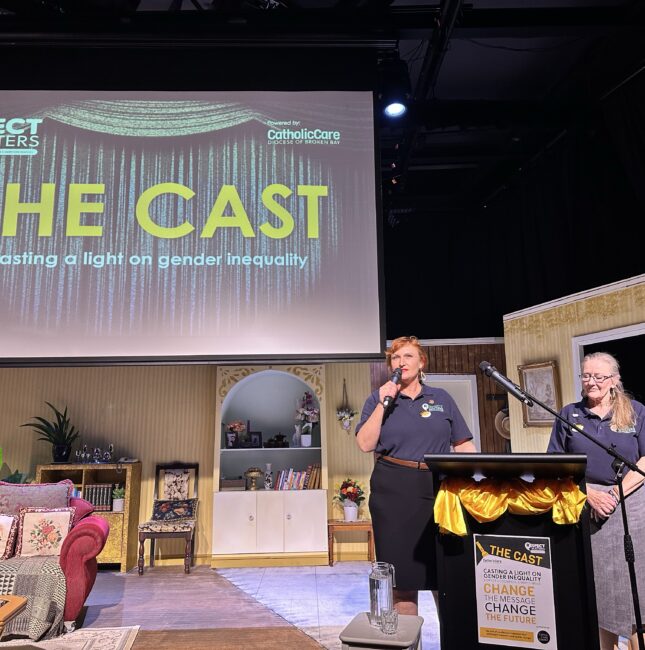
Casting a light on the drivers of domestic and family abuse
Boys don't cry. Toughen up. Be a man. CatholicCare's Respect Matters team knows there is a direct line between casual phrases like these and the domestic violence upending families across our community.
Read More