

Certain factors consistently predict or drive higher levels of domestic and family violence and abuse against women and children.
These drivers include:
- Individual beliefs and social norms that condone or excuse violence
- Men’s control of decision making and limits to women’s independence
- Adherence to rigid stereotypical gender roles, relations and identities
- Male peer relations that emphasise aggression and disrespect for women.
We can work together to address the drivers of violence against women by:
- Promoting women’s independence and decision making in public life and relationships
- Challenging condoning of violence against women
- Building new social norms that foster personal identities not constrained by rigid stereotypes
- Supporting men and boys to develop healthy masculinities and positive, supportive male peer relationships
- Promoting and normalising gender equality in our public and private lives
- Building safe, fair and equitable organisations by focusing on policy and systems change
- Challenging the normalisation of violence and aggression as an expression of masculinity
- Reducing the long-term impacts of exposure to violence, and prevent further exposure
- Strengthening pro-social behaviour … and more.
For more information:
P: 1800 324 924
E: info@catholiccaredbb.org.au
Hear the voices of the Central Coast challenge gender stereotypes in this powerful new short film
More than 90 Central Coast residents star in “The Cast”, a new short film that puts a spotlight on how everyday language shapes our self-worth, reinforces gender inequality, and drives domestic and family violence. A first for our region “The Cast” captures the seemingly subtle words embedded in everyday conversations and reveals the long-term harm these words can cause.
Violence against women and children is widespread – and preventable. Gender inequality, fuelled by language like this, is a recognised driver of domestic and family abuse. The behaviour we walk by is the behaviour we accept. If we change the language, we change the future.
Another excellent resource from Our Watch
Australia has a choice. We can change the story that currently sees a woman murdered every week by a current or former partner. Or we can choose a future where women and their children live free from violence. Ending violence against women starts with gender equality.
Every one of us has a role to play, in our homes, workplaces, schools and communities. Challenging disrespect, questioning stereotypes and calling out sexism are small acts that add up to lasting change. The future is ours to shape.
Gender equality cannot be achieved without addressing the rigid attitudes and stereotypes that affect people over their lifetime regardless of their gender identity.
Gender stereotypes see everyone treated differently from when they are babies. They shape the vocational aspirations of school-aged children, relationship dynamics for young people and adults, and can lead to traditional male and female stereotypical roles at home and at work that flow through to economic security at retirement.
www.genderequality.gov.au
Traditional perceptions that do not conform to the traditional norms of masculinity may result in people being called names and made to feel inadequate. Girls and young women can also experience the same gender norm messaging. We all have a role to play to put the prevention of violence into practice and make everyone safe.

INTERESTED IN WORKSHOPS & TRAINING?
Understanding the complexities of domestic violence – including coercive control, cultural dynamics, and barriers to leaving — is vital to breaking the cycle of abuse. With the right tools, we can all make a real difference – providing not just immediate support, but also a path to long-term recovery and empowerment. By investing in education and awareness, we’re building a more responsive, compassionate and safe community for everyone.
latest domestic & family violence news
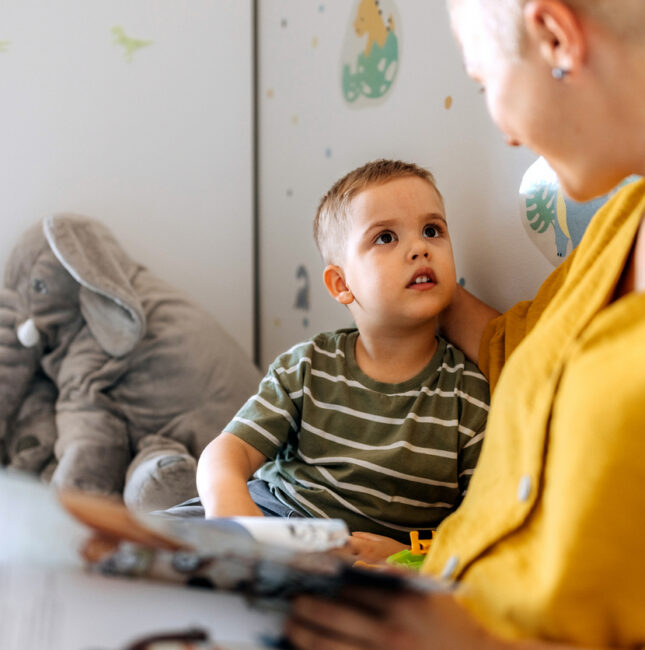
Empowering childcare educators to address domestic violence
Earlier this year, CatholicCare’s primary prevention team collaborated with council run childcare centres across the Central Coast to help combat domestic and family violence.
Read More
John’s journey from blame to accountability
When John first stepped into our Back on Track Men’s Behaviour Change Program, he didn’t come willingly and was a long way from accepting the impact of his violent behaviour.
Read More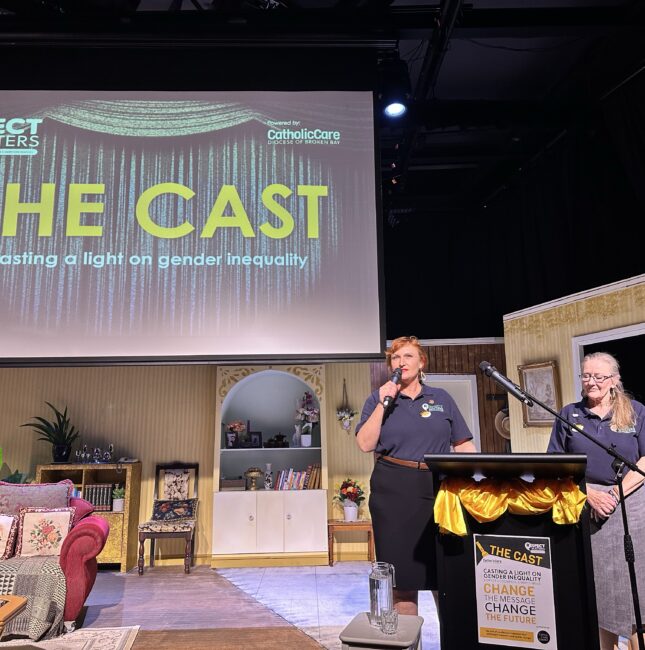
Casting a light on the drivers of domestic and family abuse
Boys don't cry. Toughen up. Be a man. CatholicCare's Respect Matters team knows there is a direct line between casual phrases like these and the domestic violence upending families across our community.
Read More
Nina reclaims her life after violence
For Nina, her workplace became more than just a job, it was a rare pocket of safety in an otherwise controlled and frightening world. It was the only place where she could speak openly with her Case Worker, free from surveillance and intimidation.
Read More